"realistic, insightful, and grim"
— Michael Oppenheimer, Albert G. Milbank Professor of Geosciences and International Affairs and Director of the Center for Policy Research on Energy and Environment, Princeton University
About the Book
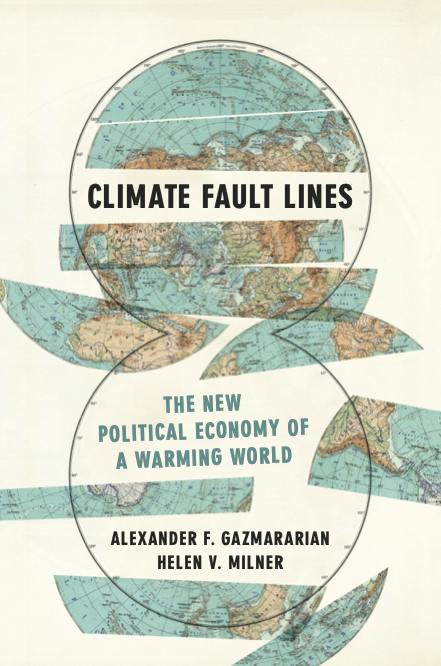
Climate change is no longer an abstraction, as the world experiences extreme heat, rising sea levels, and brutally destructive wildfires. In Climate Fault Lines, Alexander Gazmararian and Helen Milner show that the effects of climate change are far from equal, with the most severe damages concentrated in the world's hottest regions. They argue that this divide—a fault line that cuts across existing social, economic, and political divisions—will produce diverging political responses to the changing climate. People, businesses, and governments on the more vulnerable side of the fault line are motivated to address climate change because they directly experience its intensifying effects. Those on the other side, however, enact climate policy not because they face climate-caused dangers but because it promises to deliver cleaner air, economic gains, or greater energy security.
Gazmararian and Milner support their argument—which departs from the prevailing wisdom that Northern European states are climate leaders whereas developing nations are free riders—by bringing together models from geosciences, economics, and political science. The data show that voters and businesses with the most to lose are reshaping the incentives and policies of local and national governments below the fault line. Unequal harm, not shared vulnerability, increasingly informs climate politics.
Praise for Climate Fault Lines
Climate Fault Lines is realistic, insightful, and grim about our climate prospects, yet provides enough caveats that a motivated reader can foresee a happier outcome.
Michael Oppenheimer
Albert G. Milbank Professor of Geosciences and International Affairs and Director of the Center for Policy Research on Energy and Environment, Princeton University
How will a world that is already fracturing deal with climate change? By suffering the unavoidable harmful impacts, say Alex Gazmararian and Helen Milner. In the dark news that warming impacts are getting worse they find surprising hints of optimism that the shocks will inspire action.
David G. Victor
University of California, San Diego, and Scripps Institution of Oceanography